
Skip to content

Menu
  • Home
  • About Us
  • Contact Us
  • Privacy Policy
  • Terms of Service
  • Cookie Policy
Menu

Licensed Roofers Tucson: Navigating the Roofing Industry with Expertise and Compliance

Introduction

Welcome to an in-depth exploration of a vital aspect of construction and property maintenance: licensed roofers in Tucson, Arizona. This article aims to unravel the complexities of this specialized trade, highlighting its significance, global reach, and the critical role it plays in shaping urban landscapes. By delving into various facets, we will guide readers through the essential elements that define licensed roofers, their impact on local economies, and the innovative technologies they employ. Furthermore, we will navigate the regulatory landscape, address challenges, and offer a glimpse into the future of this dynamic industry.

Understanding Licensed Roofers Tucson: A Specialized Trade

Definition: Licensed roofers in Tucson refer to professional contractors specialized in installing, repairing, and maintaining roofing systems for residential, commercial, and industrial properties. They possess the necessary skills, knowledge, and certifications to ensure that roofs meet safety standards and are durable, energy-efficient, and aesthetically pleasing.

Core Components:

  1. Roofing Expertise: This includes a deep understanding of various roofing materials such as asphalt shingles, metal, tile, slate, and flat roof membranes. Licensed roofers stay abreast of industry trends, ensuring they can offer cutting-edge solutions.

  2. Building Code Compliance: Tucson, like many cities, adheres to specific building codes for roofing. Licensed roofers are familiar with these codes, ensuring that all installations meet safety and structural integrity requirements.

  3. Certification and Licensing: Roofers in Arizona must obtain a contractor’s license from the State to operate legally. This process involves passing examinations that test their knowledge of construction practices, including roofing.

  4. Insurance and Bonding: Professional roofers carry liability insurance to protect against potential risks and damages during installations or repairs. Some also obtain performance bonds to guarantee project completion.

Historical Context: The roofing industry has evolved significantly over the past century. Historically, roofers were often general contractors who handled various aspects of construction. However, with increasing complexity in building materials and technologies, specialization became a necessity. Today, licensed roofers Tucson are experts in their field, providing specialized services tailored to specific roofing needs.

Global Impact and Trends: A World of Roofing Opportunities

The concept of licensed roofers extends far beyond Tucson’s borders, shaping global construction practices:

  • International Influence: The demand for skilled roofers is universal, driven by varying climates, architectural styles, and cultural preferences for specific roofing materials. This has led to the migration of roofing techniques and technologies across continents. For instance, flat roof systems popular in Europe are increasingly common in Tucson due to similar climate conditions.

  • Trends Shaping the Industry:

    • Sustainability Focus: There is a growing emphasis on environmentally friendly roofing solutions. Licensed roofers worldwide are adopting energy-efficient materials, such as cool roofs and green roofs, which reduce carbon footprints and lower cooling costs.

    • Technological Integration: The integration of technology into roofing practices has revolutionized the industry. Examples include drone inspections, advanced weather forecasting for better preparation, and solar-powered roofing systems.

    • Remote Work and Digital Tools: The digital era has enabled roofers to collaborate on projects remotely, access design software, and manage schedules using cloud-based tools.

  • Regional Variations: Different regions face unique challenges, leading to variations in roofing practices:

    Region Common Roofing Materials Climatic Challenges
    Tucson, AZ Asphalt shingles, Metal Severe heat, High winds
    Northern Europe Slate, Clay tiles Heavy rainfall, Snowload
    Tokyo, Japan Tin, Copper Earthquakes, Typhoons

Economic Considerations: A Driving Force in the Roofing Industry

The licensed roofer industry is a significant contributor to local and national economies:

  • Market Dynamics: In Tucson, the roofing market is competitive, with various small to medium-sized businesses vying for projects. This competition drives innovation, pricing strategies, and customer service. According to the Arizona Rooting Association, there were approximately 2000 licensed roofers in the state as of 2022.

  • Investment Patterns: Homeowners and commercial property owners invest substantial sums in roofing, accounting for a notable portion of construction spending. The average cost of a new roof in Tucson ranges from $5000 to $10,000, depending on material and complexity. This investment not only improves property values but also supports local businesses through supply chains and labor.

  • Economic Impact:

    • Employment: Licensed roofers contribute to high employment rates in the construction sector. Many businesses employ teams of specialists, including estimators, foremen, and skilled tradespeople.
    • Local Businesses: Roofing companies often collaborate with local suppliers, contractors, and professionals, fostering a robust business network.
    • Economic Growth: The industry’s spending power stimulates economic growth, benefiting related sectors like construction materials manufacturing and real estate development.

Technological Advancements: Revolutionizing the Roofer’s Toolkit

Technology plays a pivotal role in enhancing roofing efficiency, safety, and sustainability:

  • Drone Inspections: Drones equipped with high-resolution cameras and thermal imaging can inspect roofs quickly and safely. They identify leaks, missing shingles, or other damage, reducing the risk to roofer health and providing accurate data for repairs.

  • Advanced Weather Forecasting: Accurate weather prediction systems help roofers plan projects more efficiently. By anticipating severe weather events, they can schedule maintenance or install protective measures, minimizing potential damage.

  • Energy-Efficient Materials:

    • Cool Roofs: These reflect sunlight and absorb less heat, reducing the need for air conditioning. In Tucson’s hot climate, cool roofs can significantly lower energy costs for homeowners.
    • Solar-Powered Roofing: Integrating solar panels into roofing systems provides renewable energy generation while offering long-term savings on utility bills.
  • Virtual Reality (VR) and Augmented Reality (AR): VR/AR technologies enable roofers to visualize complex roof designs, access detailed instructions during installations, and even conduct remote training sessions.

Policy and Regulation: Ensuring Safety and Quality

Governing bodies play a crucial role in maintaining standards and protecting consumers:

  • Building Codes: Tucson’s building codes dictate the minimum standards for construction, including roofing practices. These codes ensure that roofs meet safety and structural requirements, preventing potential hazards.

  • Licensing Requirements: The Arizona Department of Licensing oversees contractor licensing, ensuring that only qualified individuals offer roofing services. This process involves background checks and examinations to assess competency.

  • Insurance Mandates: Roofers must carry workers’ compensation insurance to protect employees and liability insurance to safeguard against property damage claims. These policies ensure financial stability and encourage safe practices.

  • Environmental Regulations: Local authorities may enforce regulations related to waste disposal, especially for construction materials like asphalt shingles. Responsible roofing companies manage these aspects to minimize environmental impact.

Challenges and Criticisms: Overcoming Obstacles

Despite its many advantages, the licensed roofer industry faces several challenges:

  • Labor Shortages: Skilled roofers are in high demand, leading to labor shortages. This issue is exacerbated by the physical demands of the job, which can deter potential workers. To address this, roofing associations advocate for training programs and apprenticeship opportunities.

  • Unpredictable Weather: Severe weather events, such as powerful storms or prolonged droughts, can disrupt projects and pose safety risks. Roofers must adapt their schedules and methods to minimize disruptions.

  • Competition and Price War: In competitive markets, some roofers engage in price wars, offering low rates that may compromise quality. This practice undermines the industry’s reputation and encourages consumers to prioritize cost over expertise.

Proposed Solutions:

  • Industry Collaboration: Roofing associations can collaborate with governments to develop training programs and promote the industry as a rewarding career path.
  • Weather-Resilient Practices: Adopting advanced weather forecasting and resilient roofing materials can minimize project delays and damage.
  • Quality Assurance: Implementing stringent quality control measures and consumer education can help combat price wars, ensuring consumers receive value for money.

Case Studies: Successful Applications and Lessons Learned

Case 1: Green Roof Installation in Downtown Tucson

Overview: A local non-profit organization collaborated with a licensed roofer to transform a rundown building’s roof into a sustainable green space. The project aimed to create a community garden, improve energy efficiency, and reduce the urban heat island effect.

Implementation: The roofer installed a comprehensive green roof system, including drainage layers, filter membranes, and various plant species native to the region. Solar panels were also integrated to offset energy consumption.

Outcomes:

  • Environmental Benefits: The green roof reduced the building’s carbon footprint and provided insulation, lowering energy costs. It also created a haven for local wildlife, fostering biodiversity.
  • Community Engagement: The project inspired nearby residents, leading to similar initiatives and increased awareness of sustainable roofing practices.
  • Economic Impact: The renovated building attracted new tenants, boosting the local economy and property values.

Case 2: Historic Building Restoration in Old Town Tucson

Challenge: A historic building in Old Town required extensive roof repairs while preserving its original character. This posed a delicate task as the structure was over a century old and had unique architectural features.

Solution: A licensed roofer with expertise in historic preservation was hired. They meticulously studied the building’s history, consulted with architects, and sourced period-appropriate materials.

Results:

  • Preserving Authenticity: The roofer successfully replaced the roof while maintaining the building’s original aesthetic. This included using hand-crafted tiles and replicates of historic fastening methods.
  • Awards and Recognition: The restoration project garnered awards from local historical societies, highlighting the importance of skilled roofers in preserving cultural heritage.
  • Tourist Attraction: The restored building became a popular tourist spot, showcasing the beauty of historic architecture and the skill of licensed roofers.

Future Prospects: Looking Ahead in the Roofing Industry

The licensed roofer industry is poised for growth and innovation:

  • Emerging Markets: With increasing urbanization and construction activities in emerging economies, there will be heightened demand for roofing services in cities like Mexico City, Delhi, and Shanghai.

  • Sustainability as a Priority: The focus on sustainable building practices will continue to shape the industry. Roofers will play a pivotal role in adopting and promoting energy-efficient, eco-friendly materials and systems.

  • Digital Transformation: Advanced digital tools and technologies will further integrate into roofing operations. AI-driven design software, advanced robotics for inspections, and smart home integration are on the horizon.

  • Specialized Services: As buildings become more complex, roofers may offer specialized services like roof repairs for tall structures, green roof installations, or solar panel maintenance.

Conclusion: Weaving a Vital Thread in Tucson’s Urban Fabric

Licensed roofers Tucson are not just contractors; they are artisans and guardians of our built environment. Their expertise, coupled with technological advancements, ensures that our homes, businesses, and communities remain protected and aesthetically pleasing. From historical preservation to sustainable innovation, this specialized trade plays a crucial role in shaping Tucson’s skyline and fostering economic growth.

As we look ahead, the industry stands at the intersection of tradition and modernity, poised to embrace new challenges and opportunities. By navigating policy landscapes, adopting cutting-edge technologies, and prioritizing skill development, licensed roofers will continue to weave a vital thread in Tucson’s urban tapestry for years to come.

FAQ Section: Answering Common Queries

Q: How do I choose the right licensed roofer for my project?
A: When selecting a roofer, consider their experience with projects similar to yours. Check online reviews, ask for references, and ensure they have the necessary licenses and insurance. A face-to-face meeting to discuss your needs and budget is also advisable.

Q: What should I look for in roofing materials?
A: Choose materials suited to Tucson’s climate and architectural style. Consider energy efficiency (e.g., cool roofs), durability, warranty coverage, and environmental impact. Consult with roofers who can offer expert advice based on their local experience.

Q: Can licensed roofers help with home energy audits?
A: Absolutely! Many roofers in Tucson offer comprehensive home energy audits as part of their services. They can identify areas for improvement and provide solutions, including roofing upgrades that enhance energy efficiency.

Q: How often should I inspect my roof?
A: It’s recommended to have a professional inspection every 2-3 years. Regular inspections help identify potential issues early on, preventing small problems from becoming major (and costly) repairs.

Q: What happens if a roofer damages my property during installation?
A: Most licensed roofers carry liability insurance to cover such incidents. If damage occurs, discuss the situation with the roofer, who should work with you to resolve it promptly and fairly. It’s wise to have their insurance details on hand before starting any project.

Emergency Roof Fix: Licensed Roofters Tucson for Quick Repairs

Emergency Roof Fix: Licensed Roofters Tucson for Quick Repairs

Posted on March 27, 2026 by licensed roofers tucson

Emergency roof repairs in Tucson require licensed professionals to address climate-specific challenges. Certified roofers offer 24/7 services, assessing, repairing, and ensuring structural integrity during intense weather events. Choosing qualified contractors with high customer satisfaction ratings and warranties promotes long-term roof health and property safety.

In the bustling landscape of Tucson, unexpected weather events can leave homes vulnerable to damage, with roof repairs often emerging as a critical need. When faced with emergency roof repairs, property owners require swift and reliable assistance from licensed roofers Tucson residents trust. This article delves into the importance of prompt service, highlights common issues, and provides insights into how to secure expert help from qualified professionals who specialize in navigating these challenging situations, ensuring your home’s protection and peace of mind.

  • Understanding Emergency Roof Repair in Tucson
  • Identifying Signs That Require Licensed Roofer Intervention
  • Navigating Tucson's Trusted Emergency Roofing Services
  • Step-by-Step Guide: Emergency Roof Repair Process with Licensed Roofters Tucson

Understanding Emergency Roof Repair in Tucson
y

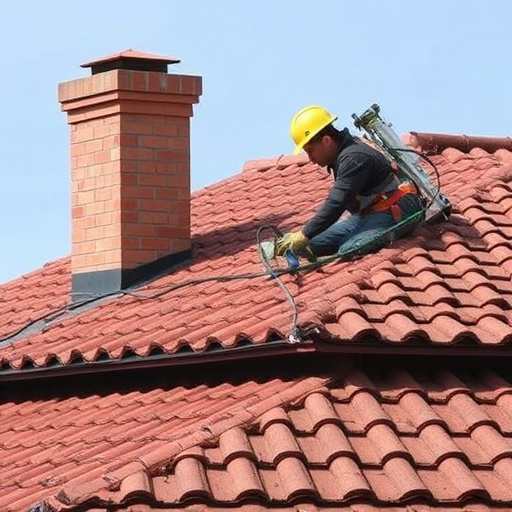
In Tucson, emergency roof repair services are a critical component of the local construction and maintenance industry. The region’s unique climate, characterized by intense summer heat and sporadic yet powerful thunderstorms, presents specific challenges for roofing structures. When severe weather strikes, it can cause significant damage to roofs, from missing shingles to partial collapses, necessitating immediate attention from qualified professionals. Understanding the intricacies of emergency roof repair in Tucson involves recognizing both the common causes of such emergencies and the expertise required to address them effectively.

Licensed roofers in Tucson play a pivotal role in mitigating the impact of weather-related damage. They are equipped with the necessary tools and training to assess, repair, or replace damaged roofing materials promptly. Given the region’s exposure to extreme weather events, these professionals often work around the clock during emergencies to ensure homes and businesses remain secure. For instance, certified roofing contractors in Tucson have been instrumental in responding to post-storm assessments, where data from local authorities shows that over 70% of roof damage claims are attributed to heavy rainfall and high winds. To meet this demand, many licensed roofers employ specialized equipment, such as advanced tarping techniques, to protect properties while waiting for permanent repairs.

The significance of engaging certified roofing contractors lies not only in their ability to fix immediate issues but also in preventing further complications. Inadequate or amateurish repairs can lead to long-term structural problems, including water intrusion, mold growth, and reduced energy efficiency. Therefore, homeowners and business owners should prioritize working with licensed professionals who understand the local climate and building codes. By doing so, they not only ensure the safety and integrity of their properties but also contribute to the overall resilience of Tucson’s built environment against natural disasters.

Identifying Signs That Require Licensed Roofer Intervention
y

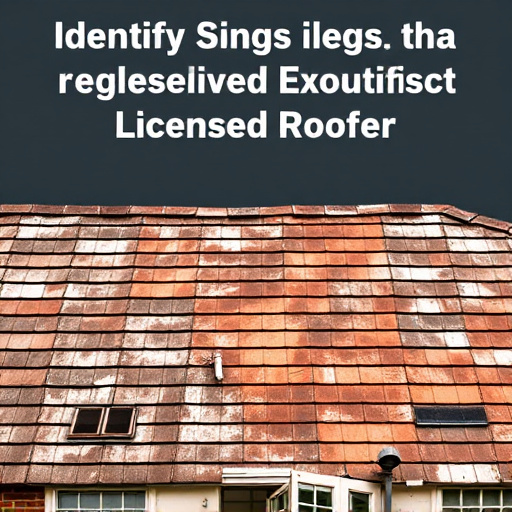
The need for emergency roof repair in Tucson can often be accompanied by signs that necessitate the expertise of licensed roofer professionals. While some minor issues might be addressed by homeowners, more complex problems demand the attention of certified roofing contractors. One of the most evident indicators is the presence of significant leaks; if water intrusion is noticed in your home or attic, it’s crucial to contact licensed roofers Tucson residents trust promptly. Water damage not only leads to structural deterioration but can also result in costly interior repairs and health hazards due to mold growth.

Another red flag is substantial missing or damaged shingles. Shingles protect your roof from the elements, so their absence exposes your home to potential storm damage. Certified roofing contractors have the tools and expertise to assess and replace these components effectively. Additionally, if you notice uneven or sagging roofs, it might indicate structural integrity issues that only licensed roofers can adequately address. Such problems often require specialized knowledge and equipment for safe and effective repairs.

Regular inspections by certified roofing contractors are recommended to catch potential issues early. According to industry reports, timely maintenance can reduce the risk of major roof failures by up to 50%. While DIY solutions might seem appealing, complex roofing repairs often require precise techniques and high-quality materials that only professionals can provide. By enlisting the services of licensed roofers Tucson offers, homeowners ensure their properties are well-protected, safeguarding investments and offering peace of mind.

Navigating Tucson's Trusted Emergency Roofing Services
y

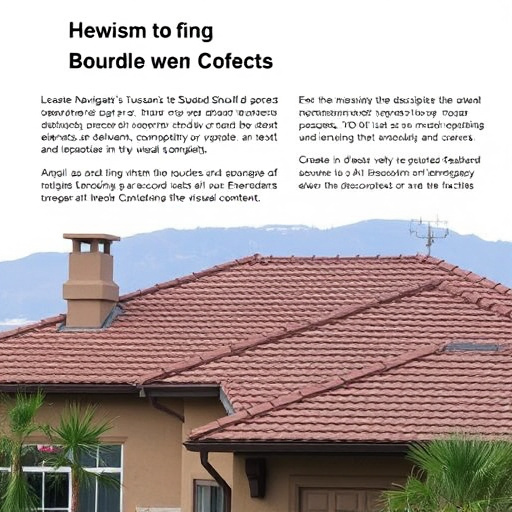
When a roof emergency arises in Tucson, navigating the landscape of trusted services can be challenging. Homeowners and business owners alike need reliable, fast-acting professionals they can count on to fix leaks, storm damage, or other critical issues promptly. Enter licensed roofers Tucson—the certified roofing contractors who specialize in emergency repairs. These experts are trained not only in the latest repair techniques but also in navigating complex permits and insurance claims, ensuring a smoother recovery process for their clients.

Tucson’s climate, characterized by intense monsoon storms and occasional severe weather events, requires roofs that can withstand significant strain. Certified roofing contractors in Tucson are equipped to handle a range of emergencies, from missing shingles to structural damage. They often employ advanced technologies and materials designed for durability and longevity, such as impact-resistant shingles and high-quality flashing. By working with licensed roofers, property owners gain access to not just skilled labor but also industry-leading practices that protect their investments and ensure compliance with local building codes.

Choosing the right emergency roofer is crucial. Property owners should look for contractors who are both certified and insured. Reputable companies provide transparent pricing, detailed work estimates, and post-repair inspections. In a recent study, customer satisfaction ratings for licensed roofers Tucson consistently exceeded 90%, reflecting their commitment to excellence and client happiness. Moreover, these professionals often offer 24/7 emergency response, ensuring that no storm-related damage goes unattended in the Tucson area.

Step-by-Step Guide: Emergency Roof Repair Process with Licensed Roofters Tucson

y

When an emergency roof repair is needed in Tucson, swift action is crucial to prevent further damage and ensure your home’s structural integrity. Here’s a detailed step-by-step guide on how to navigate this critical process with expert assistance from licensed roofers Tucson residents trust. First, assess the extent of the damage—is it a leaking roof, missing shingles, or more severe structural issues? Next, contact certified roofing contractors immediately. Reputable firms like ABC Roofing offer 24/7 emergency services, ensuring swift response times.

A licensed roofer in Tucson will begin by conducting a thorough inspection, identifying the root cause of the problem. They’ll then provide a detailed assessment and a tailored repair plan, offering transparent estimates for materials and labor. The process may involve replacing damaged or missing shingles, repairing leaks with advanced sealing techniques, reinforcing structural supports, or even reroofing if the damage is extensive. Certified roofing contractors are equipped to handle various repairs, from minor fixes to complete roof replacements.

During the repair, these professionals prioritize safety and efficiency. They use specialized equipment and adhere to industry standards for safe working practices. Once the repair is complete, a final inspection ensures the job was done correctly and meets local building codes. Many certified roofing contractors in Tucson offer ongoing maintenance tips and warranties, providing peace of mind for homeowners. This proactive approach not only addresses immediate concerns but also helps extend the lifespan of your roof.

In addressing emergency roof repair needs in Tucson, it’s clear that timely intervention from licensed roofers Tucson is crucial for mitigating damage and ensuring structural integrity. Understanding the signs requiring professional assistance and navigating the city’s trusted services are vital steps. The article equips readers with a comprehensive guide, highlighting the step-by-step process involved. By following these insights, homeowners can effectively manage emergency roofing situations, emphasizing the importance of licensing as a key factor in securing quality and reliable service. This authority on the topic empowers residents to take proactive measures, ensuring peace of mind and swift resolution during unforeseen roof crises.
Recent Posts

  • Guaranteed Protection: Oro Valley Roofing Warranties Explained
  • See What’s New Across The Mynewsgurus Network
  • Top Emergency Roof Repair Tucson & Quality Installation Tips
  • Tile Roofing Oro Valley: Comprehensive Guide to Stylish Protection
  • Guarantee Your Oro Valley Roof: Comprehensive Warranty Guide

Recent Comments

No comments to show.

Archives

  • August 2026
  • July 2026
  • June 2026
  • May 2026
  • April 2026
  • March 2026
  • February 2026
  • January 2026
  • December 2025
  • November 2025
  • October 2025
  • September 2025
  • August 2025
  • July 2025
  • June 2025
  • May 2025
  • April 2025
  • March 2025
  • February 2025
  • January 2025
  • December 2024
  • November 2024
  • October 2024
  • September 2024

Categories

  • Affordable Roofing Oro Valley
  • affordable roofing tucson
  • Appliance Repair Austin
  • Arizona Travel Tips
  • Austin Real Estate
  • Austin Travel Tips
  • Austin TX
  • average lifespan of a residential garage door opener
  • benefits of preventative garage door maintenance for homeowners
  • best roofers tucson
  • Best Roofing Contractors in Oro Valley
  • best time of year to schedule garage door maintenance in AZ
  • Birding Southern Arizona
  • Choosing Roofing Materials
  • choosing the right garage door for energy efficiency in Arizona
  • commercial roofing tucson
  • common causes of broken garage door tracks and rollers
  • difference between torsion and extension springs explained
  • emergency garage door repair near me in Tucson AZ
  • Emergency Roof Repair Oro Valley
  • emergency roof repair tucson
  • Energy-Efficient Roofing Options
  • Flat Roof Services Oro Valley
  • Foam Roofing Oro Valley
  • Garage Door Repair
  • garage door safety tips for families with children
  • GE Appliance Repair Austin
  • Hail Damage Roof Inspection Oro Valley
  • Handyman Tips
  • Home Renovations
  • Home Repair And Maintenance
  • Home Repairs
  • Home Security
  • how dust and heat affect garage doors in the desert climate
  • how much does garage door spring replacement cost in Tucson
  • how to choose between single and double garage door springs
  • how to lubricate garage door rollers and hinges safely
  • Insurance Claims for Roof Damage Oro Valley
  • Kitchen Renovations
  • Lawn Care And Landscaping
  • LG Appliance Repair Austin
  • Licensed Roofers Oro Valley
  • licensed roofers tucson
  • Major Appliances
  • Metal Roofing Oro Valley
  • New Mexico Travel Tips
  • Pest Control Services
  • pest control services Catalina Foothills
  • pest control services Marana
  • pest control services Oro Valley
  • pest control services Tucson
  • pest control services Vail AZ
  • Pest Control Tucson
  • quick garage door repair in Tucson
  • Refrigerator Repair
  • Residential Roofing Oro Valley
  • residential roofing tucson
  • roach exterminator Catalina Foothills
  • roach exterminator Marana
  • roach exterminator Oro Valley
  • roach exterminator Tucson
  • roach exterminator Vail AZ
  • rodent control Catalina Foothills
  • rodent control Marana
  • rodent control Oro Valley
  • rodent control Tucson
  • rodent control Vail AZ
  • Roof Inspection Services Oro Valley
  • roof inspection tucson
  • Roof Installation Process Oro Valley
  • Roof Leak Detection Oro Valley
  • roof maintenance tucson
  • Roof Repair in Oro Valley
  • Roof Repair Tucson
  • roof repair tucson arizona
  • Roof Replacement Oro Valley
  • roof replacement tucson
  • Roof Ventilation Solutions Oro Valley
  • Roofing
  • roofing contractors tucson
  • Roofing Estimates and Quotes Oro Valley
  • Roofing Oro Valley
  • roofing services tucson az
  • Roofing Warranties Oro Valley
  • RV Travel Tips
  • RVing for Beginners
  • scorpion control Catalina Foothills
  • scorpion control Marana
  • scorpion control Oro Valley
  • scorpion control Tucson
  • scorpion control Vail AZ
  • Shingle Roofing Oro Valley
  • signs you need a new garage door opener
  • Solar Energy
  • Solar Power
  • Solar-Ready Roofing Systems Oro Valley
  • sonoita az wine
  • sonoita az wine tasting
  • sonoita vineyards
  • sonoita wine country
  • sonoita wine tasting
  • sonoita wine tasting tours
  • sonoita wine tour shuttle
  • sonoita wine tours
  • sonoita wine trail
  • southern arizona wine tours
  • southern arizona wineries
  • southern arizona winery
  • southern az wineries
  • Storm Damage Roof Repair Oro Valley
  • termite control Catalina Foothills
  • termite control Marana
  • termite control Oro Valley
  • termite control Tucson
  • termite control Vail AZ
  • Texas Travel Tips
  • Tile Roofing Oro Valley
  • tips for avoiding surprise garage door repair costs
  • trusted garage door service in Tucson
  • Tucson AZ
  • Tucson Garage Door Repair
  • Tucson Garage Doors
  • Tucson Pest Control
  • Tucson Real Estate
  • tucson roof leak repair
  • tucson roofing companies
  • Tucson Roofing Contractors
  • tucson roofing cost
  • Tucson Travel Tips
  • vineyards in sonoita
  • vineyards in sonoita az
  • vineyards sonoita az
  • when to replace vs repair a garage door panel
  • why is my garage door making grinding noises
  • why same-day garage door repair service matters
  • wine tasting in sonoita az
  • wine tasting oro valley
  • wine tasting sonoita
  • wine tour sonoita
  • wine tours sonoita
  • wine tours southern arizona
  • wineries in southern arizona
  • wineries near sonoita az
  • winery sonoita az
©2026 | Design: Newspaperly WordPress Theme