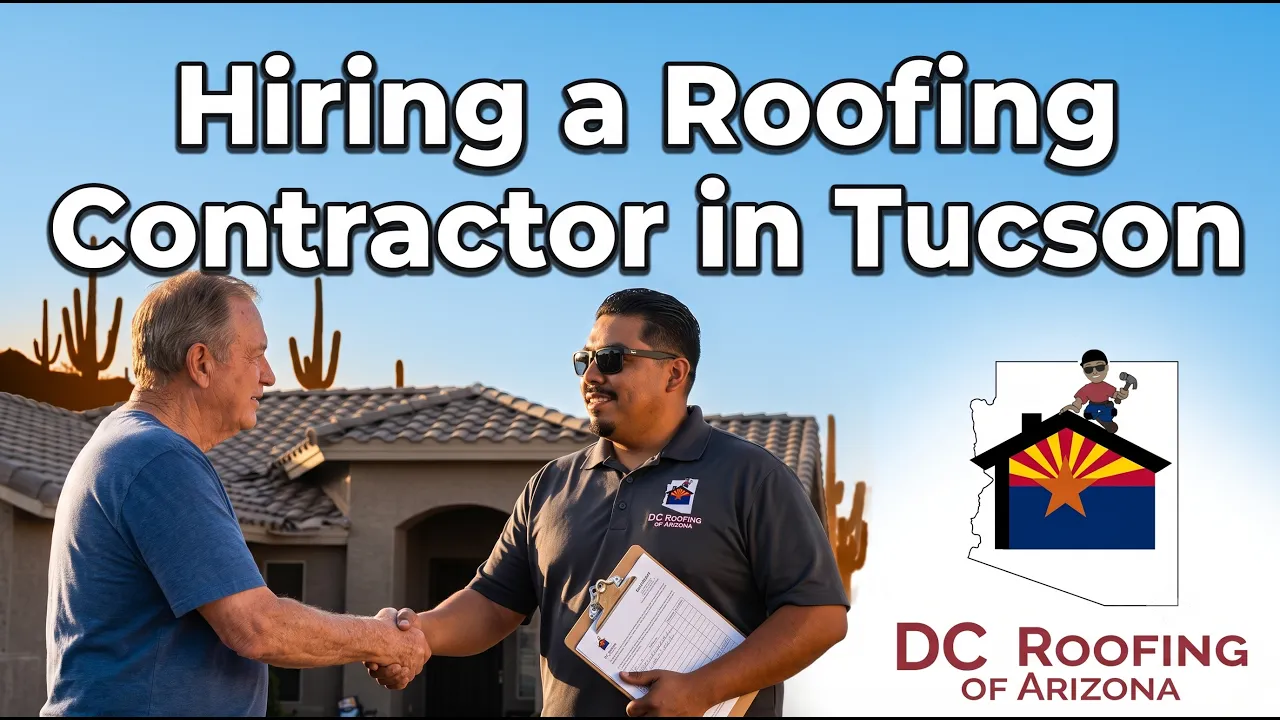
Licensed Roofers Tucson: Navigating the Roofing Industry with Expertise and Compliance
Introduction
Welcome to an in-depth exploration of a vital aspect of construction and property maintenance: licensed roofers in Tucson, Arizona. This article aims to unravel the complexities of this specialized trade, highlighting its significance, global reach, and the critical role it plays in shaping urban landscapes. By delving into various facets, we will guide readers through the essential elements that define licensed roofers, their impact on local economies, and the innovative technologies they employ. Furthermore, we will navigate the regulatory landscape, address challenges, and offer a glimpse into the future of this dynamic industry.
Understanding Licensed Roofers Tucson: A Specialized Trade
Definition: Licensed roofers in Tucson refer to professional contractors specialized in installing, repairing, and maintaining roofing systems for residential, commercial, and industrial properties. They possess the necessary skills, knowledge, and certifications to ensure that roofs meet safety standards and are durable, energy-efficient, and aesthetically pleasing.
Core Components:
-
Roofing Expertise: This includes a deep understanding of various roofing materials such as asphalt shingles, metal, tile, slate, and flat roof membranes. Licensed roofers stay abreast of industry trends, ensuring they can offer cutting-edge solutions.
-
Building Code Compliance: Tucson, like many cities, adheres to specific building codes for roofing. Licensed roofers are familiar with these codes, ensuring that all installations meet safety and structural integrity requirements.
-
Certification and Licensing: Roofers in Arizona must obtain a contractor’s license from the State to operate legally. This process involves passing examinations that test their knowledge of construction practices, including roofing.
-
Insurance and Bonding: Professional roofers carry liability insurance to protect against potential risks and damages during installations or repairs. Some also obtain performance bonds to guarantee project completion.
Historical Context: The roofing industry has evolved significantly over the past century. Historically, roofers were often general contractors who handled various aspects of construction. However, with increasing complexity in building materials and technologies, specialization became a necessity. Today, licensed roofers Tucson are experts in their field, providing specialized services tailored to specific roofing needs.
Global Impact and Trends: A World of Roofing Opportunities
The concept of licensed roofers extends far beyond Tucson’s borders, shaping global construction practices:
-
International Influence: The demand for skilled roofers is universal, driven by varying climates, architectural styles, and cultural preferences for specific roofing materials. This has led to the migration of roofing techniques and technologies across continents. For instance, flat roof systems popular in Europe are increasingly common in Tucson due to similar climate conditions.
-
Trends Shaping the Industry:
-
Sustainability Focus: There is a growing emphasis on environmentally friendly roofing solutions. Licensed roofers worldwide are adopting energy-efficient materials, such as cool roofs and green roofs, which reduce carbon footprints and lower cooling costs.
-
Technological Integration: The integration of technology into roofing practices has revolutionized the industry. Examples include drone inspections, advanced weather forecasting for better preparation, and solar-powered roofing systems.
-
Remote Work and Digital Tools: The digital era has enabled roofers to collaborate on projects remotely, access design software, and manage schedules using cloud-based tools.
-
Regional Variations: Different regions face unique challenges, leading to variations in roofing practices:
| Region |
Common Roofing Materials |
Climatic Challenges |
| Tucson, AZ |
Asphalt shingles, Metal |
Severe heat, High winds |
| Northern Europe |
Slate, Clay tiles |
Heavy rainfall, Snowload |
| Tokyo, Japan |
Tin, Copper |
Earthquakes, Typhoons |
Economic Considerations: A Driving Force in the Roofing Industry
The licensed roofer industry is a significant contributor to local and national economies:
-
Market Dynamics: In Tucson, the roofing market is competitive, with various small to medium-sized businesses vying for projects. This competition drives innovation, pricing strategies, and customer service. According to the Arizona Rooting Association, there were approximately 2000 licensed roofers in the state as of 2022.
-
Investment Patterns: Homeowners and commercial property owners invest substantial sums in roofing, accounting for a notable portion of construction spending. The average cost of a new roof in Tucson ranges from $5000 to $10,000, depending on material and complexity. This investment not only improves property values but also supports local businesses through supply chains and labor.
-
Economic Impact:
- Employment: Licensed roofers contribute to high employment rates in the construction sector. Many businesses employ teams of specialists, including estimators, foremen, and skilled tradespeople.
- Local Businesses: Roofing companies often collaborate with local suppliers, contractors, and professionals, fostering a robust business network.
- Economic Growth: The industry’s spending power stimulates economic growth, benefiting related sectors like construction materials manufacturing and real estate development.
Technological Advancements: Revolutionizing the Roofer’s Toolkit
Technology plays a pivotal role in enhancing roofing efficiency, safety, and sustainability:
-
Drone Inspections: Drones equipped with high-resolution cameras and thermal imaging can inspect roofs quickly and safely. They identify leaks, missing shingles, or other damage, reducing the risk to roofer health and providing accurate data for repairs.
-
Advanced Weather Forecasting: Accurate weather prediction systems help roofers plan projects more efficiently. By anticipating severe weather events, they can schedule maintenance or install protective measures, minimizing potential damage.
-
Energy-Efficient Materials:
- Cool Roofs: These reflect sunlight and absorb less heat, reducing the need for air conditioning. In Tucson’s hot climate, cool roofs can significantly lower energy costs for homeowners.
- Solar-Powered Roofing: Integrating solar panels into roofing systems provides renewable energy generation while offering long-term savings on utility bills.
-
Virtual Reality (VR) and Augmented Reality (AR): VR/AR technologies enable roofers to visualize complex roof designs, access detailed instructions during installations, and even conduct remote training sessions.
Policy and Regulation: Ensuring Safety and Quality
Governing bodies play a crucial role in maintaining standards and protecting consumers:
-
Building Codes: Tucson’s building codes dictate the minimum standards for construction, including roofing practices. These codes ensure that roofs meet safety and structural requirements, preventing potential hazards.
-
Licensing Requirements: The Arizona Department of Licensing oversees contractor licensing, ensuring that only qualified individuals offer roofing services. This process involves background checks and examinations to assess competency.
-
Insurance Mandates: Roofers must carry workers’ compensation insurance to protect employees and liability insurance to safeguard against property damage claims. These policies ensure financial stability and encourage safe practices.
-
Environmental Regulations: Local authorities may enforce regulations related to waste disposal, especially for construction materials like asphalt shingles. Responsible roofing companies manage these aspects to minimize environmental impact.
Challenges and Criticisms: Overcoming Obstacles
Despite its many advantages, the licensed roofer industry faces several challenges:
-
Labor Shortages: Skilled roofers are in high demand, leading to labor shortages. This issue is exacerbated by the physical demands of the job, which can deter potential workers. To address this, roofing associations advocate for training programs and apprenticeship opportunities.
-
Unpredictable Weather: Severe weather events, such as powerful storms or prolonged droughts, can disrupt projects and pose safety risks. Roofers must adapt their schedules and methods to minimize disruptions.
-
Competition and Price War: In competitive markets, some roofers engage in price wars, offering low rates that may compromise quality. This practice undermines the industry’s reputation and encourages consumers to prioritize cost over expertise.
Proposed Solutions:
- Industry Collaboration: Roofing associations can collaborate with governments to develop training programs and promote the industry as a rewarding career path.
- Weather-Resilient Practices: Adopting advanced weather forecasting and resilient roofing materials can minimize project delays and damage.
- Quality Assurance: Implementing stringent quality control measures and consumer education can help combat price wars, ensuring consumers receive value for money.
Case Studies: Successful Applications and Lessons Learned
Case 1: Green Roof Installation in Downtown Tucson
Overview: A local non-profit organization collaborated with a licensed roofer to transform a rundown building’s roof into a sustainable green space. The project aimed to create a community garden, improve energy efficiency, and reduce the urban heat island effect.
Implementation: The roofer installed a comprehensive green roof system, including drainage layers, filter membranes, and various plant species native to the region. Solar panels were also integrated to offset energy consumption.
Outcomes:
- Environmental Benefits: The green roof reduced the building’s carbon footprint and provided insulation, lowering energy costs. It also created a haven for local wildlife, fostering biodiversity.
- Community Engagement: The project inspired nearby residents, leading to similar initiatives and increased awareness of sustainable roofing practices.
- Economic Impact: The renovated building attracted new tenants, boosting the local economy and property values.
Case 2: Historic Building Restoration in Old Town Tucson
Challenge: A historic building in Old Town required extensive roof repairs while preserving its original character. This posed a delicate task as the structure was over a century old and had unique architectural features.
Solution: A licensed roofer with expertise in historic preservation was hired. They meticulously studied the building’s history, consulted with architects, and sourced period-appropriate materials.
Results:
- Preserving Authenticity: The roofer successfully replaced the roof while maintaining the building’s original aesthetic. This included using hand-crafted tiles and replicates of historic fastening methods.
- Awards and Recognition: The restoration project garnered awards from local historical societies, highlighting the importance of skilled roofers in preserving cultural heritage.
- Tourist Attraction: The restored building became a popular tourist spot, showcasing the beauty of historic architecture and the skill of licensed roofers.
Future Prospects: Looking Ahead in the Roofing Industry
The licensed roofer industry is poised for growth and innovation:
-
Emerging Markets: With increasing urbanization and construction activities in emerging economies, there will be heightened demand for roofing services in cities like Mexico City, Delhi, and Shanghai.
-
Sustainability as a Priority: The focus on sustainable building practices will continue to shape the industry. Roofers will play a pivotal role in adopting and promoting energy-efficient, eco-friendly materials and systems.
-
Digital Transformation: Advanced digital tools and technologies will further integrate into roofing operations. AI-driven design software, advanced robotics for inspections, and smart home integration are on the horizon.
-
Specialized Services: As buildings become more complex, roofers may offer specialized services like roof repairs for tall structures, green roof installations, or solar panel maintenance.
Conclusion: Weaving a Vital Thread in Tucson’s Urban Fabric
Licensed roofers Tucson are not just contractors; they are artisans and guardians of our built environment. Their expertise, coupled with technological advancements, ensures that our homes, businesses, and communities remain protected and aesthetically pleasing. From historical preservation to sustainable innovation, this specialized trade plays a crucial role in shaping Tucson’s skyline and fostering economic growth.
As we look ahead, the industry stands at the intersection of tradition and modernity, poised to embrace new challenges and opportunities. By navigating policy landscapes, adopting cutting-edge technologies, and prioritizing skill development, licensed roofers will continue to weave a vital thread in Tucson’s urban tapestry for years to come.
FAQ Section: Answering Common Queries
Q: How do I choose the right licensed roofer for my project?
A: When selecting a roofer, consider their experience with projects similar to yours. Check online reviews, ask for references, and ensure they have the necessary licenses and insurance. A face-to-face meeting to discuss your needs and budget is also advisable.
Q: What should I look for in roofing materials?
A: Choose materials suited to Tucson’s climate and architectural style. Consider energy efficiency (e.g., cool roofs), durability, warranty coverage, and environmental impact. Consult with roofers who can offer expert advice based on their local experience.
Q: Can licensed roofers help with home energy audits?
A: Absolutely! Many roofers in Tucson offer comprehensive home energy audits as part of their services. They can identify areas for improvement and provide solutions, including roofing upgrades that enhance energy efficiency.
Q: How often should I inspect my roof?
A: It’s recommended to have a professional inspection every 2-3 years. Regular inspections help identify potential issues early on, preventing small problems from becoming major (and costly) repairs.
Q: What happens if a roofer damages my property during installation?
A: Most licensed roofers carry liability insurance to cover such incidents. If damage occurs, discuss the situation with the roofer, who should work with you to resolve it promptly and fairly. It’s wise to have their insurance details on hand before starting any project.
Tucson, Arizona's diverse climate drives demand for adaptable roofing solutions. Local licensed roofers Tucson specialize in various materials and techniques, catering to residential and commercial needs while adhering to local building codes and weather patterns. The market is competitive and specialized, offering affordable alternatives like reflective and eco-friendly roofing materials that reduce cooling costs and ensure longevity. These professionals are essential for safe and high-quality roofing projects, providing peace of mind with their vital skills, training, insurance, and adherence to industry standards and local regulations.
“Discover affordable roofing solutions tailored for Tucson, Arizona’s unique needs. This comprehensive guide explores the local roofing landscape, offering insights into cost-effective options for residents. From understanding the region’s climate impact on roofs to highlighting budget-friendly materials and styles, we delve into practical strategies. Moreover, the article emphasizes the vital role of licensed roofers in Tucson, ensuring quality workmanship and safety standards throughout the process.”
Understanding Tucson's Roofing Landscape: A Local Perspective
Tucson, Arizona’s vibrant roofing landscape is a testament to its diverse climate and unique architectural styles. With varying weather conditions, from scorching summers to occasional winter storms, the city demands robust and adaptable roofing solutions. Homeowners and business owners alike seek reliable protection against these elements, driving the demand for both residential and commercial roofing services. This dynamic environment has fostered a competitive market, offering a range of options for those in need of new installations or repairs.
Local licensed roofers have adapted to these challenges, becoming experts in various roofing materials and techniques. From traditional shingle roofs to modern metal installations, certified roofing contractors in Tucson are well-equipped to handle diverse projects. Their experience is invaluable when navigating the area’s specific requirements, ensuring structures remain protected throughout the year. Understanding local building codes and weather patterns allows these professionals to provide tailored solutions, making Tucson’s roofing scene both competitive and specialized.
Affordable Roofing Options for Tucson Residents: Unlocking Cost-Effective Solutions
In the Tucson region, residents now have access to a variety of affordable roofing solutions thanks to the presence of licensed roofers Tucson and certified roofing contractors. These professionals offer cost-effective alternatives that not only meet but often exceed industry standards. One popular option is the use of reflective or energy-efficient roofing materials, which not only reduce cooling costs but also stand the test of time, ensuring long-term savings for homeowners.
Many licensed roofers Tucson and certified roofing contractors are adept at utilizing eco-friendly and sustainable materials, providing a win-win situation. These materials not only lower environmental impact but also offer excellent durability, further reducing replacement costs in the future. With skilled labor and high-quality products combined, residents can enjoy robust, affordable roofing options tailored to their specific needs without breaking the bank.
The Role of Licensed Roofers in Ensuring Quality and Safety in Tucson
In the Tucson region, licensed roofers play a pivotal role in maintaining the safety and quality of residential and commercial roofing projects. These professionals are not just experts in their field but also adhere to stringent industry standards and local regulations. Licensing ensures that roofers possess the necessary skills, training, and insurance to handle various roofing tasks, from repairs to complete replacements. By employing licensed roofers Tucson residents and businesses can rest assured that their properties are in capable hands.
Moreover, certified roofing contractors bring a level of professionalism that includes using high-quality materials, implementing safe work practices, and providing excellent customer service. Their expertise is particularly crucial when dealing with the unique challenges posed by Arizona’s climate, such as intense sunlight, frequent storms, and rapid temperature changes. Choosing licensed roofers Tucson offers peace of mind and protects against subpar workmanship, ensuring that your roof not only looks great but also provides reliable protection for years to come.
In the vibrant roofing landscape of Tucson, Arizona, residents now have access to a variety of affordable solutions. By understanding the local market and leveraging the expertise of licensed roofers Tucson, homeowners can make informed decisions that balance quality, safety, and budget. These cost-effective options not only protect properties but also contribute to the region’s aesthetic appeal, ensuring a brighter future for Tucson’s roofing needs.